
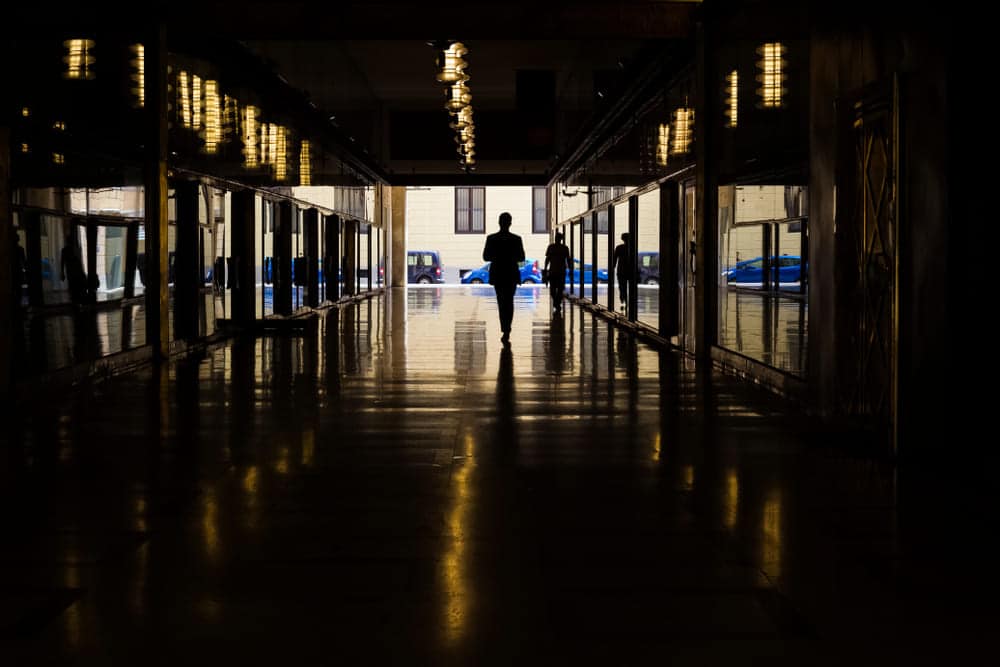
Cuando piensas en una lesión por resbalón y caída, quizá te imagines a alguien resbalándose en un suelo mojado o en una superficie helada. Sin embargo, la falta de iluminación también es una causa habitual de estas lesiones, y el propietario del inmueble puede ser considerado responsable de ello.
Si has sufrido una lesión en las instalaciones de otra persona debido a una iluminación deficiente, consulta a un abogado especializado en resbalones y caídas de Nueva York para conocer sus opciones legales.
¿Cómo puede una iluminación deficiente contribuir a que se produzcan lesiones por resbalones y caídas en Nueva York?
Es de sobra conocido que una iluminación deficiente puede ser peligrosa. Dependemos de una iluminación adecuada para orientarnos en nuestro entorno y evitar peligros. Una buena iluminación también es necesaria para que los demás puedan vernos.
Una iluminación inadecuada puede provocar accidentes en diversas situaciones. Por ejemplo, un estudio de 2024 reveló que los accidentes de peatones eran más probables por la noche, y que los peatones heridos en la oscuridad tenían cinco veces más probabilidades de fallecer que los atropellados durante el día. Los peatones atropellados sin una farola cercana tenían 2,4 veces más probabilidades de fallecer que aquellos iluminados por una farola.
Una iluminación deficiente también puede aumentar el riesgo de resbalarse, caerse y sufrir una lesión. Cuando un inmueble no cuenta con la iluminación adecuada en pasillos, escaleras u otras zonas estrechas, los visitantes pueden tropezar fácilmente con un obstáculo que no ven y lesionarse. Esto también se aplica a las zonas exteriores del inmueble, como los aparcamientos mal iluminados, en los que un visitante puede tropezar con un bordillo.
¿En qué casos es responsable el propietario de un inmueble de las lesiones por resbalones y caídas debidas a una iluminación deficiente?
Sabemos que una iluminación deficiente puede provocar lesiones por resbalones y caídas, pero ¿en qué casos es responsable el propietario del inmueble de este tipo de incidentes? Las leyes de Nueva York sobre resbalones y caídas establecen que deben darse una serie de circunstancias para que un visitante lesionado pueda presentar una reclamación por responsabilidad civil del propietario:
- El propietario tenía un deber de diligencia para con el visitante y incumplió dicho deber.
- El incumplimiento del deber provocó un daño.
- En la propiedad existía un defecto que provocó la lesión.
- El propietario tenía conocimiento real o implícito del estado defectuoso y dispuso de tiempo suficiente para advertir de ello o subsanarlo.
El «conocimiento efectivo» se refiere al conocimiento directo del peligro, mientras que el «conocimiento implícito» se refiere al conocimiento que se presume, basado en la idea de que una persona razonable habría tenido conocimiento del mismo.
En los casos de iluminación insuficiente, es posible que tengas que demostrar que el propietario de la vivienda sabía o debería haber sabido razonablemente que existía un defecto de iluminación en esa zona. Así pues, si se fundió una bombilla y eso provocó inmediatamente una situación de peligro en la que resultaste herido, es posible que el propietario no sea responsable. Sin embargo, si en esa zona nunca hubo una lámpara o una bombilla, te resultará más fácil demostrar que la iluminación insuficiente se prolongó durante un periodo de tiempo considerable.
También puede haber opiniones contradictorias sobre lo que se considera «mala iluminación». Cada persona tiene una capacidad visual y un nivel de comodidad distintos en función del tipo de iluminación. Es posible que el tribunal aplique también en este caso el criterio de «razonabilidad» para determinar si las condiciones de iluminación eran tan deficientes que cualquier persona razonable también habría corrido el riesgo de resbalar y caerse.
Dado que hay muchos aspectos que hay que tener en cuenta en un caso de resbalón y caída derivado de una iluminación deficiente, suele ser una buena idea contar con un abogado especializado en lesiones personales en Nueva York desde el principio.
Reclamaciones por responsabilidad civil de los propietarios de inmuebles debido a una iluminación inadecuada
Si tu abogado ha considerado que podrías tener derecho a reclamar una indemnización por las lesiones sufridas debido a unas condiciones de iluminación deficientes, lo habitual es que comiences por presentar una reclamación al seguro de responsabilidad civil del propietario del inmueble. Esta reclamación podría cubrir los gastos médicos y los salarios perdidos derivados de tu accidente.
Si la indemnización del seguro no es suficiente para cubrir tus daños, el siguiente paso podría ser emprender acciones legales. Esto te permitiría reclamar una indemnización por daños no económicos, como el dolor y el sufrimiento o el estrés emocional, para compensar el impacto físico y emocional que el accidente ha tenido en ti.
Para que el caso prospere, necesitarás pruebas que demuestren la negligencia del propietario del inmueble y, en concreto, que las malas condiciones de iluminación fueron la causa de tu resbalón y caída. Entre las pruebas más sólidas se pueden incluir:
- Imágenes de vídeo del accidente (por ejemplo, de una cámara de seguridad)
- Declaraciones de los testigos, especialmente aquellas en las que coinciden en que la iluminación de la zona era insuficiente
- Fotografías o vídeos que muestren la falta de iluminación y las condiciones de riesgo en su conjunto
- Los informes de accidentes, que son más habituales cuando los accidentes se producen en las instalaciones de la empresa
Tu abogado especializado en resbalones y caídas puede ayudarte a reunir pruebas que respalden tu caso.
Pide consejo a un abogado especializado en accidentes por resbalones y caídas en Nueva York
¿Se puede presentar una demanda contra el propietario de un inmueble si, debido a la falta de iluminación en sus instalaciones, sufres un resbalón y una caída? Un abogado especializado en resbalones y caídas de Nueva York puede ofrecerte una respuesta más personalizada a esta pregunta en función de los detalles de tu accidente.
Elliot Ifraimoff & Associates, PC, representa a víctimas de accidentes en toda la ciudad de Nueva York. Si estás pensando en contratar a un abogado especializado en resbalones y caídas, empieza por concertar una consulta gratuita con nosotros llamando al 718-205-1010.
Preguntas frecuentes
¿Son los propietarios responsables de los accidentes provocados por una iluminación deficiente durante un corte de electricidad?
Es posible que el propietario no haya actuado con negligencia en un accidente provocado por la falta de iluminación que se produjo durante un corte de luz, pero la respuesta depende de las circunstancias concretas del accidente. Podría asumir cierta responsabilidad si permitió o invitó a visitantes a entrar en su propiedad durante un corte de luz del que ya tenía conocimiento. Consulta con un abogado especializado en resbalones y caídas para determinar la solidez de tu caso.
¿Cuánto puede valer una reclamación por un accidente de resbalón y caída?
Tu reclamación por un accidente por resbalón y caída podría ascender al valor total de tus gastos médicos, los salarios perdidos e incluso los daños no económicos, como el dolor y el sufrimiento. Tu abogado especializado en resbalones y caídas de Nueva York puede ayudarte a calcular el valor de tu posible caso.
¿Qué tipos de lesiones pueden producirse como consecuencia de accidentes por resbalones y caídas provocados por una iluminación inadecuada?
Los accidentes por resbalones y caídas pueden provocar lesiones como fracturas, lesiones de espalda, lesiones de tejidos blandos, hematomas importantes y traumatismos craneoencefálicos. Si has sufrido lesiones graves al resbalar y caer en la propiedad de otra persona, ponte en contacto con un abogado para analizar tus opciones legales.